[ 01 / R&D ]
Deep R&D Access
Labs, testing rigs and research partnerships to turn breakthrough science into working processes.
Building the next 100 circular economy companies.
Not an accelerator. An ecosystem — research, capital, policy, space and each other — for the founders re-architecting industry.
Take, make, waste. It built the last century — it cannot build the next one. Circularity is not a niche; it is the re-architecture of industry itself.
Climate, resources, waste and supply chains converge here. The companies that close the loop will define the next hundred years of industry.
Science needs labs. Startups need capital and policy. Founders need each other. So we are building the ecosystem that holds all of it — and the next 100 companies inside it.
Capital is necessary and nowhere near sufficient. Further wraps every company in the full support system.
Labs, testing rigs and research partnerships to turn breakthrough science into working processes.
A coalition of founders solving the same materials, logistics and policy problems — together, not alone.
Equity-based funding, access to grants, government schemes and industrial subsidies — the full capital stack.
Shared workspaces and prototyping facilities built for hardware, atoms and real-world testing.
Proprietary knowledge on circular supply chains, regenerative economics and industrial scale-up.
Operators and experts across policy, manufacturing, climate finance and go-to-market — shared across the cohort.
Circular companies are built in labs, on plant floors and inside supply chains. Further gives founders access to all of them from day one.
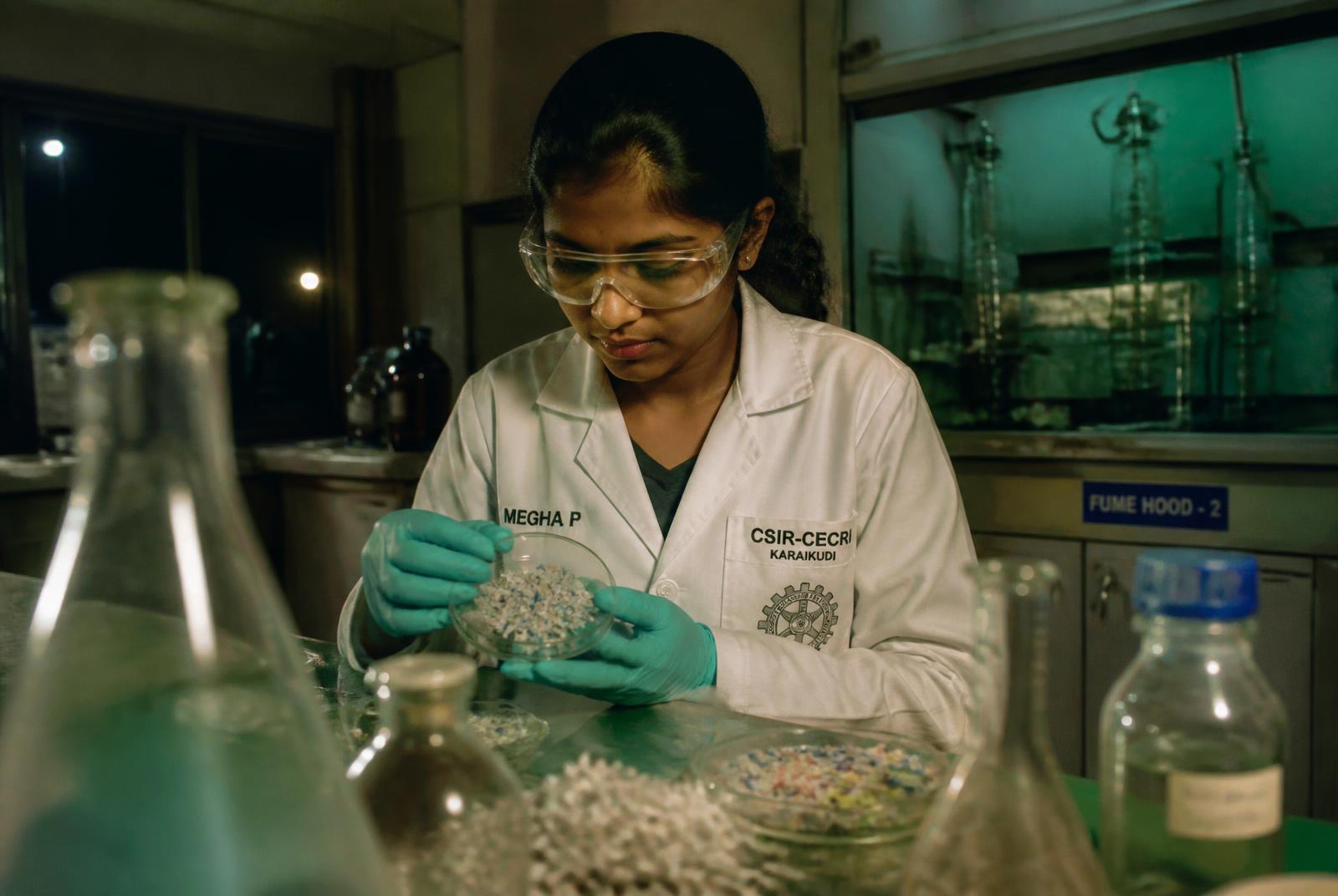
Polymer, textile and e-waste characterisation rigs, pilot extruders and process testing — booked by the day, not by the grant cycle.
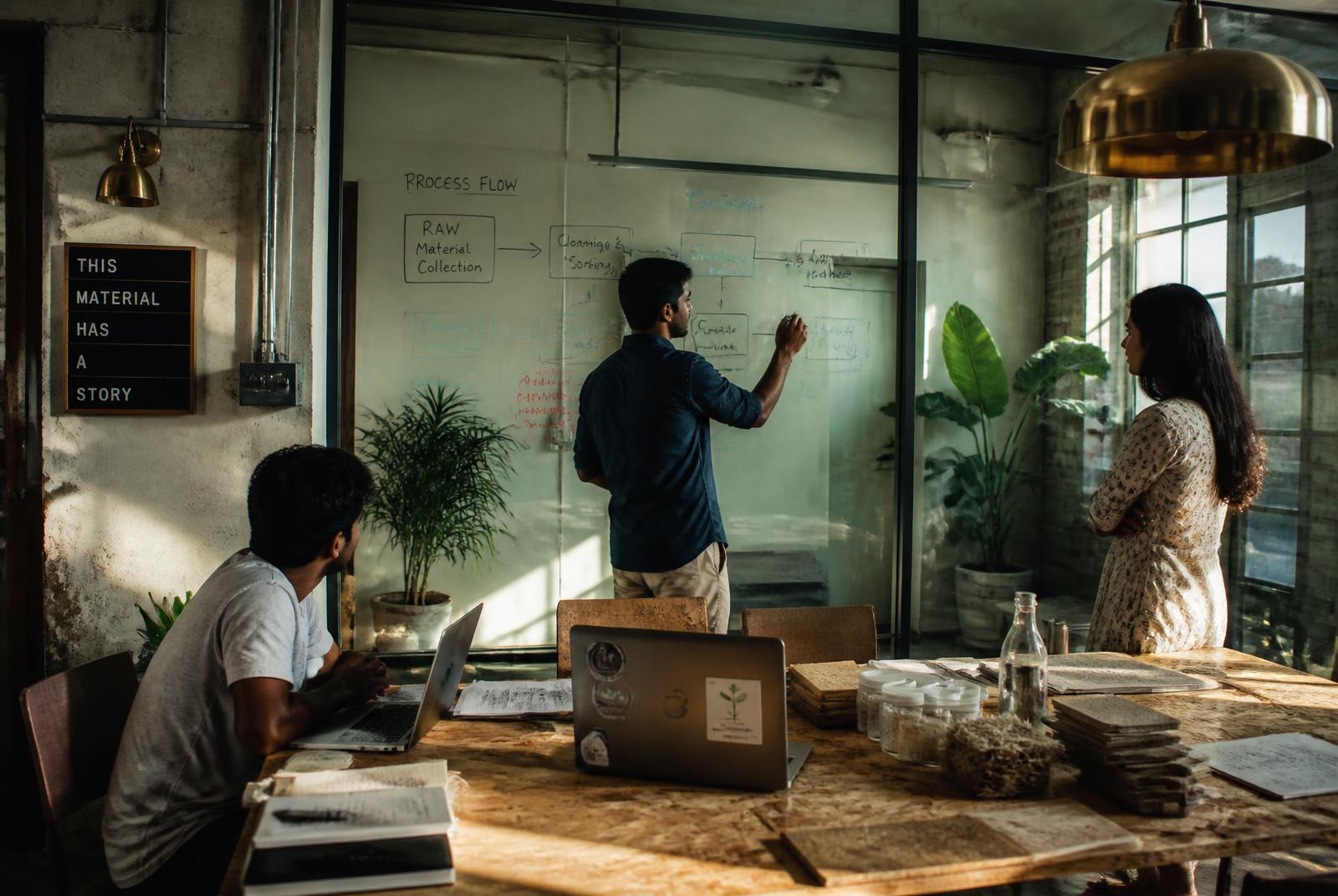
Desks for the team, benches for the hardware. Fabrication, 3D printing, electronics and a workshop that lets you break things.
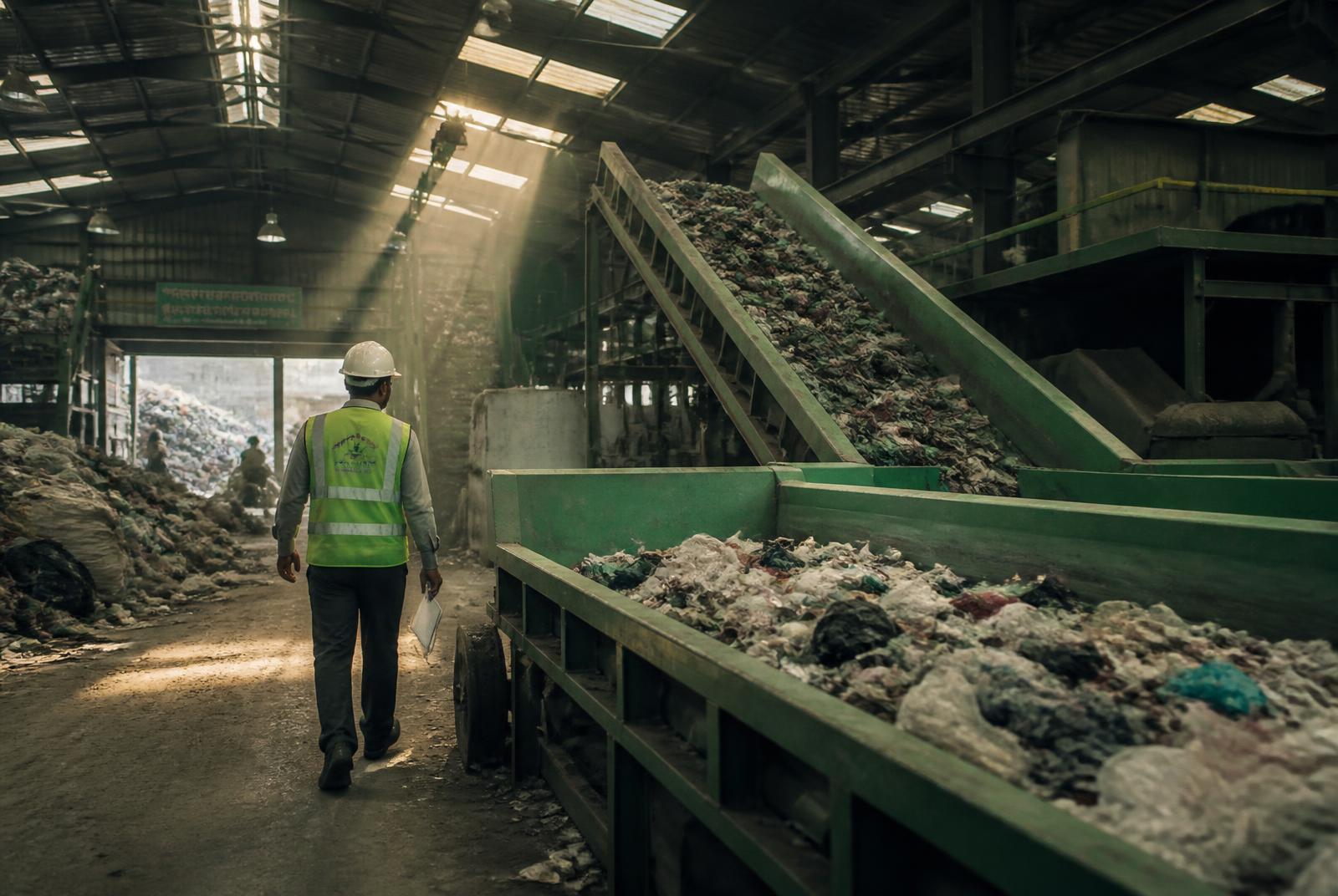
Run your process inside working recovery plants and energy sites — real feedstock, real tonnage, real failure modes.
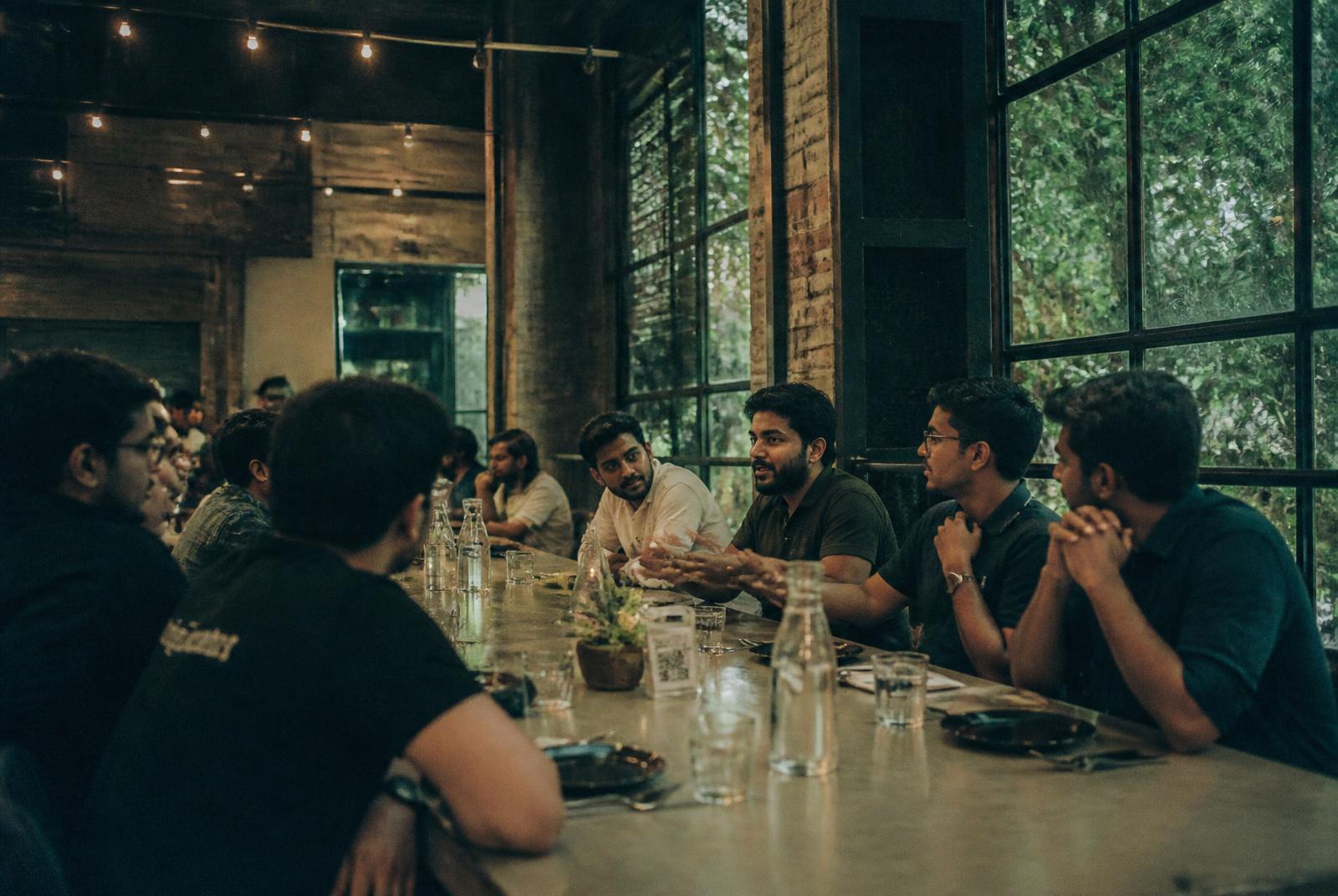
Closed-door sessions with operators, policy makers and buyers. Fewer stages, more rooms where deals actually happen.
A shared bench of operators, scientists, regulators and buyers — attached to every company in the ecosystem, not sold as an add-on.
PhD-level chemists who have taken recovery processes from beaker to tonne-per-hour line.
Operators who have commissioned recovery, sorting and energy infrastructure across India and Southeast Asia.
People who write, contest and implement extended producer responsibility rules — not just read them.
Grant committees, blended-finance funds and growth investors who fund atoms, not only software.
Sourcing and sustainability heads at brands who sign the offtake that makes a plant bankable.
Leaders who have sold recovered material, machines and compliance software into industrial buyers.
The hardest step for a circular company is the first industrial deployment. Inside the ecosystem, that step is already staffed, powered and permitted.
Test sorting, washing and reprocessing at commercial throughput inside operating facilities.
Prove energy-intensive processes against live solar, storage and open-access power arrangements.
Pilot with brands and manufacturers already reporting through the ecosystem's compliance layer.
Work with city and industrial-cluster operators on collection, logistics and material streams.
Founders, scientists, policy makers and buyers — in the same room, often.
Working sessions where founders debug processes, costs and plant design in front of peers.
Founders, scientists, policy makers and buyers in one closed room for two days.
Grant bodies, government schemes and climate funds meeting companies that are actually ready.
Two to eight week residencies inside partner labs and pilot sites, with technical supervision.
One-to-one sessions on EPR, subsidies, incentives and state-level industrial schemes.
The whole Beyond network — companies, plants, partners and alumni — in one place.
A company backed by Further does not start from zero. It starts inside an operating industrial system — power, machines, markets, compliance and infrastructure already running.
Runs the city and cluster infrastructure that circular companies plug into.
Generates, stores and distributes the energy those facilities run on.
Machines and processing lines that turn recovered material into feedstock.
Markets, price discovery and settlement for recovered materials.
The compliance and reporting layer brands and enterprises are measured on.
Backs and builds the next 100 companies that will use all of the above.
Infrastructure flows down the chain; new companies flow back up it.
Circular economy companies built
Founders, scientists and operators
Tonnes of material kept in the loop
Ecosystem, started in India
Aspirational targets, not achieved figures — they describe the system Further intends to build.
We fund companies that move atoms, build plants and rewrite supply chains — not pledges.
Labs, policy access, offtake, space and peers decide survival as much as the cheque does.
Every company inside the ecosystem is a first customer, pilot site or distribution channel.
We are assembling the founders, scientists and operators who will build the next 100 circular economy companies. If that's you — we should talk.